Jul 18, 2026
Dr Chandrashekhar: Image Fat Depot Phenotypes | WCCKMM 2026
Dr Chandrashekhar: Image Fat Depot Phenotypes | WCCKMM 2026
UPDATED: Jul 9, 2026, 3:44:34 PM
Highlights
Obesity presents a complex heteromorphic clinical reality that standard anthropometric measurements fail to capture. Relying solely on body mass index masks the distinct pathophysiological risks associated with specific ectopic fat distributions. Visceral adipose tissue, epicardial fat, and muscle-infiltrative adipose tissue contribute differentially to cardiovascular and metabolic risk.
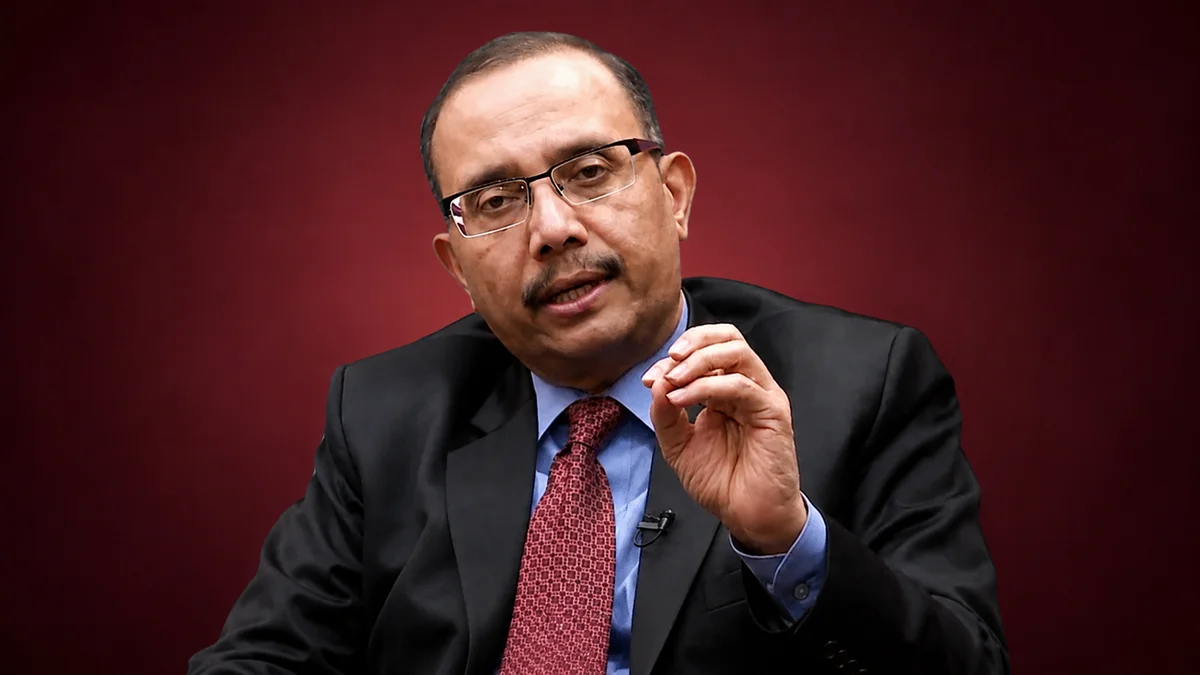
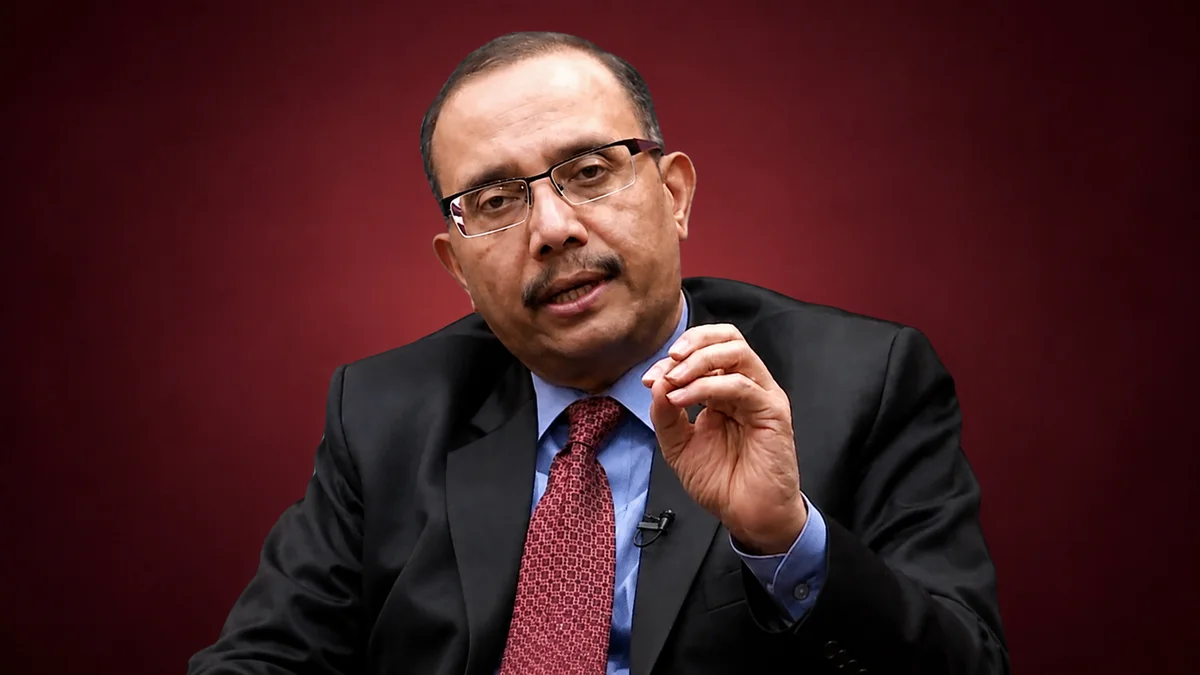
Dr Y S Chandrashekhar, Editor-in-Chief of JACC Cardiovascular Imaging (USA), addressed the clinical gap in metabolic phenotyping at the 4th World Congress on Cardio-Kidney-Metabolic Medicine (WCCKMM 2026) at The Leela Mumbai.
Dr Chandrashekhar clarified that structural remodeling becomes difficult to reverse once established, necessitating early intervention in young obese cohorts. The presentation emphasized that cross-sectional imaging techniques like computed tomography and cardiovascular magnetic resonance facilitate precise fat quantification.
Regarding specific adipose deposits, Dr Chandrashekhar noted that epicardial fat is a potent deposit causing adverse cardiovascular events. Evidence indicates that distinct pharmaceutical interventions demonstrate divergent efficacy profiles based on regional adiposity phenotypes.
Dr Chandrashekhar stated that sodium-glucose cotransporter-2 inhibitors seem superior to glucagon-like peptide-1 receptor agonists for epicardial fat reduction. Conversely, dual glucose-dependent insulinotropic polypeptide and GLP-1 receptor agonists like tirzepatide yield substantial reductions in visceral and hepatic fat compartments.
Emerging diagnostic parameters, such as the fat attenuation index derived from coronary computed tomography angiography, were highlighted. Dr Chandrashekhar noted that this marker reflects coronary inflammation-associated signatures in epicardial fat and serves as a strong prognostic factor for future adverse coronary events.
The clinical review underscored that serial imaging reveals structural responses, showing that left ventricular mass is highly responsive following significant weight loss interventions. Data from the STEP-HFpEF sub-study suggests that semaglutide positively influences cardiac remodeling, raising the hypothesis that it acts as a disease-modifying agent.
Reflecting on the clinical imperatives of patient selection and targeted therapeutic interventions, Dr Chandrashekhar challenged the audience with an unresolved clinical query: "Who are the high-yield population? Where should we be targeting?"
TheRightDoctors | Official Digital Knowledge Partner | WCCKMM 2026
Tags: Dryschandrashekhar | Therightdoctors | Wcckmm2026 | Cardiology | Obesityphenotyping | Ectopicfat | Epicardialfat | Visceraladiposity | Jacccvimaging | Cmr | Cardiacct | Sglt2i | Glp1ra | Tirzepatide | Semaglutide | Metabolicmedicine | Cardiokidneymetabolic |
Read More




Most Popular

Dr. Pankaj Manoria on Post-MI Antiplatelet Therapy Selection

Understanding Systemic Burnout and Policy Initiatives for Doctors

Dr V Mohan Outlines Precision Medicine to Subdivide Indian Diabetes

Cardiac MRI Scarring Above 5% Predicts Sudden Death Risk

Eradicating Administrative Burden on National Doctors Day

Food Sequencing & Unpolished Grains Beat Sugar Substitution in CKM

The Indispensable Role of SGLT2i in Heart Failure

Beyond the textbook: Overhauling Medical Curricula
Powered by:
.png)
Awards & Recognitions:


Comments(0)