
Dr. Pankaj Manoria on Post-MI Antiplatelet Therapy Selection
Dr. Pankaj Manoria on Post-MI Antiplatelet Therapy Selection
UPDATED: Jul 2, 2026, 5:46:36 PM
Managing antiplatelet therapy after an acute coronary syndrome event remains a complex challenge for clinicians. Extending potent platelet inhibition minimises recurrent ischemic events but substantially increases the risk of major hemorrhage. Failing to adjust therapy based on shifting patient risk profiles can lead to preventable bleeding complications or catastrophic stent thrombosis. In patients whose bleeding risk outweighs ischemic danger, maintaining standard treatment intensities without systematic de-escalation worsens clinical outcomes.
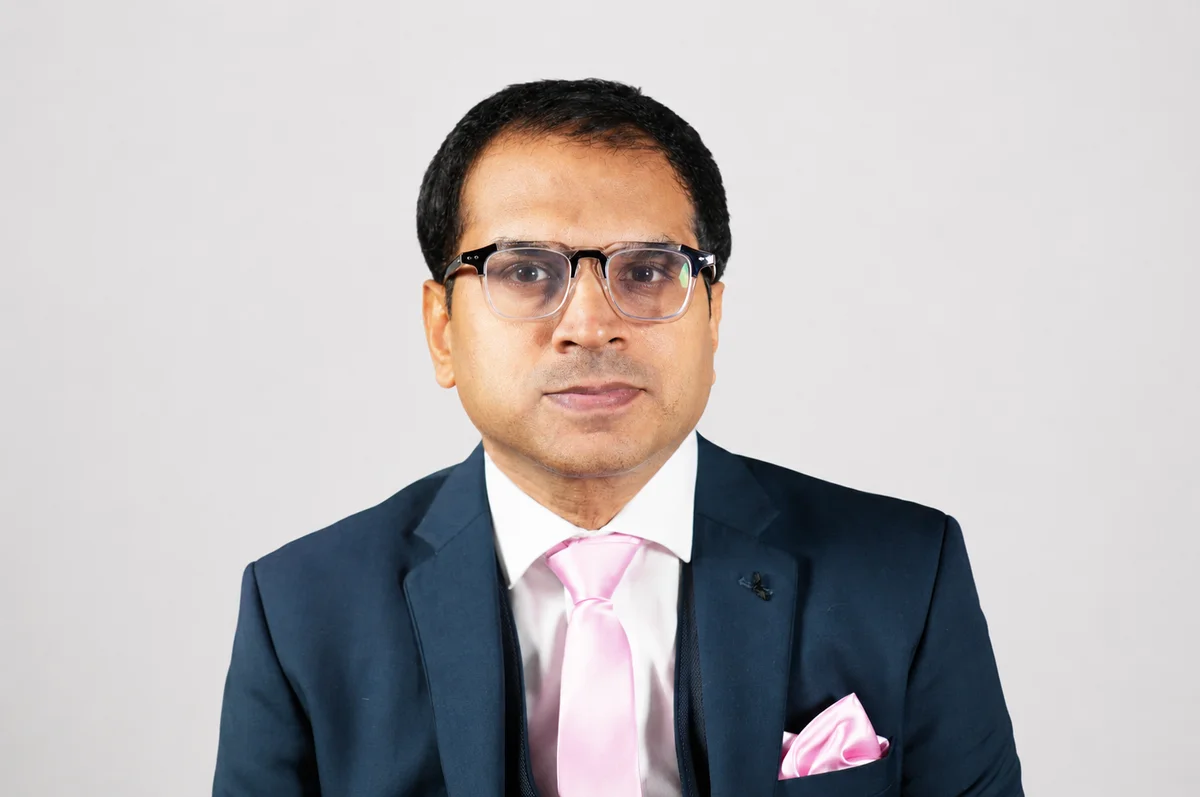
In an interview at TheRightDoctors studio at the 4th World Congress on Cardio-Kidney-Metabolic Medicine (WCCKMM 2026) at the Leela, Mumbai, Dr Rahul Agrawal, Head of the Department (HOD) & Clinical Director, Internal Medicine, Care Hospital spoke with Dr. Pankaj Manoria, Director of Cardiac Cath Lab, Manoria Heart & Critical Care Hospital, Bhopal, on tailoring DAPT post-MI.
Probing the clinical practice gap regarding ambiguous treatment timelines, Dr Rahul Agrawal drew out Dr. Pankaj Manoria's position on managing antiplatelet drug therapy duration post-myocardial infarction. Dr. Pankaj Manoria clarified that while a 12-month dual antiplatelet therapy regimen is the default strategy after acute coronary syndrome, a single timeline does not suit every patient.
The expert noted that platelet aggregation risk is highest in the initial months following an event. Responding to Dr Rahul Agrawal's query on exact timelines, Dr. Pankaj Manoria noted that clinicians must maintain dual antiplatelet therapy for the first three months in all patients. After this period, physicians must actively evaluate the specific risk profile of the individual.
If the ischemic risk exceeds the bleeding risk, dual therapy can be safely continued for 12 months or longer. Conversely, when Dr Rahul Agrawal questioned what to do if the bleeding risk dominates at three months, Dr. Pankaj Manoria stated that clinicians must de-escalate treatment by either discontinuing one agent or switching to a less potent antiplatelet drug.
Turning to long-term secondary prevention, Dr. Pankaj Manoria addressed traditional practices by stating that aspirin is no longer appropriate for primary prevention due to heightened bleeding risks. For lifelong secondary prevention, clopidogrel is now preferred over aspirin because it targets the crucial P2Y12 receptor pathway.
Dr. Pankaj Manoria pointed out that clopidogrel reduces secondary myocardial infarction rates by approximately 20% to 30% compared to aspirin, while also reducing gastrointestinal bleeding by 25%. Given these data, will clopidogrel fully replace aspirin as the standard baseline lifelong therapy across all Indian cardiac care clinics, or will historical prescribing habits continue to dictate clinical choices despite clear evidence of superior safety?
TheRightDoctors | Official Digital Knowledge Partner | WCCKMM 2026
Read | Impact of Stress on Health
Dr. Pankaj Manoria on Post-MI Antiplatelet Therapy Selection
Tags: Drpankajmanoria Drrahulagrawal Wcckmm2026 Therightdoctors Cardiology Internalmedicine Antiplatelettherapy Dapt Postmi Clopidogrel Aspirin Ischemicrisk Bleedingrisk Secondaryprevention Cardiovascularmedicine Clinicaldecisions Mumbaiconference |
Most Popular
The Indispensable Role of SGLT2i in Heart Failure
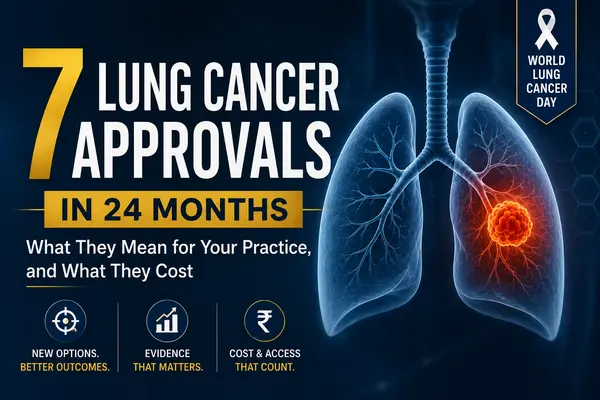
7 FDA Lung Cancer Approvals in 24 Months Every Doctor Should Know
Dr. Chandra Sekhar

Dr. Enas A. Enas: Targeted Screening Essential to Stop Early Indian CA
Dr Chandrashekhar: Image Fat Depot Phenotypes | WCCKMM 2026

Dr. Peter Schwarz Outlines IDF Strategies for Global Diabetes Crisis
More From TheRightDoctors
Restructuring Macronutrient Ratios Checks Indian Diabetes
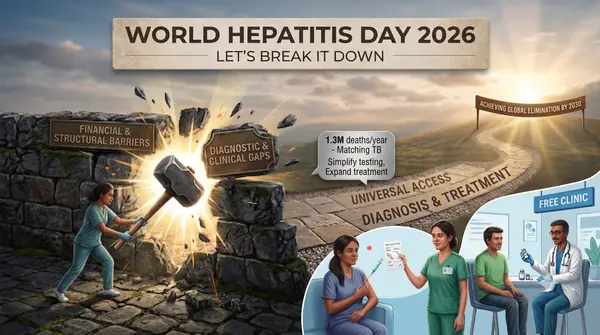
Addressing Healthcare Barriers on World Hepatitis Day 2026

The Twins Who Made Medical History — And the Nobel That Followed
Dr V Mohan Outlines Precision Medicine to Subdivide Indian Diabetes
Trending

What Nobody Tells You After a Lung Cancer Diagnosis
Dr. Chandra Sekhar
COVID-19: Effects on the Gastrointestinal Tract & Liver
Dr. Rajesh Upadhyay
Lipedema: Mistaken for Obesity
DR. V.K.SRINAGESH
Orthopedics: the past, the present and back to the past to deal with the COVID-19 era
Dr N Somasekhar Reddy