
India Breaks Organ Transplant Record in 2024, Urges Nationwide Deceased Donation Movement
India Breaks Organ Transplant Record in 2024, Urges Nationwide Deceased Donation Movement
Web desk
UPDATED: Aug 4, 2025, 9:07:55 PM
Highlights
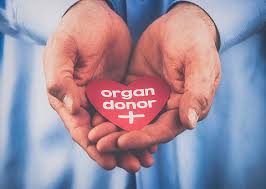
On August 4, 2025, the Ministry of Health and Family Welfare announced that India had completed over 18,900 organ transplants in 2024—marking the highest annual figure in the country’s history. The announcement was made during the 15th Indian Organ Donation Day in New Delhi.
Union Health Minister Jagat Prakash Nadda described organ donation as “one of the noblest acts of humanity” and called for a unified national movement to raise awareness and encourage deceased donor registration.
India now ranks third globally in total transplant numbers, behind only the United States and China, and leads the world in hand transplants. This was confirmed by data shared by the National Organ and Tissue Transplant Organisation (NOTTO), the apex government body overseeing transplant activities in India.
According to the ministry, over 3.30 lakh Indian citizens have pledged to donate their organs using the Aadhaar-linked NOTTO portal, which was relaunched in 2023 to streamline online consent and registry management.
Telangana was recognized as the Best State for Organ Donation, reporting a deceased donor rate of 4.88 per million population—the highest in the country. This success was credited to the state's Jeevandan programme, which has built a robust ecosystem with trained grief counsellors, dedicated transplant coordinators, and consistent brain-death reporting in government and private hospitals.
Tamil Nadu also achieved its highest-ever deceased donor registrations, following the expansion of its 'State Honour' protocol. The initiative publicly acknowledges organ donor families through formal events, improving public trust and awareness.
Despite the rise in numbers, India’s national organ donation rate remains below 1 per million population—far lower than global leaders such as Spain and the U.S., which average over 40 per million. Experts agree that major barriers still persist in brain-death certification, public perception, and next-of-kin consent.
Minister Nadda reiterated the government’s commitment to post-transplant support through schemes such as Ayushman Bharat and Rashtriya Arogya Nidhi, which together offer financial assistance up to ₹15 lakh per patient for post-transplant care and follow-up.
In the national capital, Delhi’s Health Department has proposed setting up its own State Organ and Tissue Transplant Organisation (SOTTO) to improve local coordination and increase accountability in organ allocation.
Karnataka is planning a similar push. The state aims to establish organ retrieval units in 22 government medical colleges. State Health Minister Dinesh Gundu Rao called for increased investment in grief counselling staff and stronger post-retrieval care.
The Union Health Ministry confirmed that India now has 409 transplant centers, 109 organ retrieval centers, and 14 Regional Organ and Tissue Transplant Organisations (ROTTOs) functioning under NOTTO to ensure regional coordination.
Dr Rajesh Gupta, Director of Transplant Surgery at AIIMS Delhi, cautioned, “The progress is real, but unless all states make brain-death certification mandatory and invest in ethics monitoring, we will still lose thousands of lives annually.”
Dr Aditi Kapoor, Consultant Nephrologist at CMC Vellore, emphasized the importance of legal clarity. “3.3 lakh pledges is encouraging, but families can still override consent. Legally binding donor cards must be the next step,” she wrote.
Even as India celebrates historic numbers and systemic progress, experts caution that sustainable change will only come from transparent governance, standardized protocols, and a cultural shift toward accepting brain death and deceased donation as a societal responsibility.
Tags: Therightdoctors | Trd | Organtransplant | Ministryofhealth |
Read More
Most Popular

Dr. Peter Schwarz Outlines IDF Strategies for Global Diabetes Crisis
Incorporating Imaging Refines Risk in CKM Syndrome
Restructuring Macronutrient Ratios Checks Indian Diabetes
Eradicating Administrative Burden on National Doctors Day
Dr. Pankaj Manoria on Post-MI Antiplatelet Therapy Selection
Cardiac MRI Scarring Above 5% Predicts Sudden Death Risk
Umbilical Cord LDL of 25 mg/dL is the True Standard: Dr Rajeev Agarwal
Dr V Mohan Outlines Precision Medicine to Subdivide Indian Diabetes
Powered by:
.png)
Awards & Recognitions:


Comments(0)