Jul 18, 2026
Rheumatic Heart Disease Drives Indian Arrhythmia Void
Rheumatic Heart Disease Drives Indian Arrhythmia Void

Updated: Jun 2, 2026, 4:09:27 PM

Text Size:
Designing effective cardiovascular health policies in rapidly developing nations requires accurate epidemiological surveillance data that reflects the unique etiological landscape of the local population. When a major cardiac condition is managed using Western-derived guidelines without local validation, millions of clinically distinct patients face suboptimal therapeutic outcomes and preventable disability. Establishing representative registries is essential for identifying region-specific risks and optimizing drug delivery networks.
Against the backdrop of World Heart Rhythm Week 2026, India's unique atrial fibrillation crisis has taken center stage, forcing public health stakeholders to confront a glaring blind spot in global cardiology. The clinical presentation of South Asian patients demands a fundamental reorganization of regional diagnostic and treatment protocols. Professional societies are urging immediate action to address the massive tracking deficit across the subcontinent.
A major structural barrier highlighted by reports in the Indian Heart Journal is the total absence of large-scale, nationally representative population-based prevalence data across India. For a nation encompassing 1.4 billion people, this surveillance void obscures the true public health burden from international healthcare registries. Localized data indicates that the true prevalence of the condition is severely underestimated, particularly within remote communities.
According to a community screening study published in JMIR Public Health, a rural Gujarat pilot program detected an unexpectedly high prevalence rate of 5.1%. Unlike Western cohorts where aging and lifestyle factors predominate, Indian patients present with the condition approximately a full decade younger. This premature onset is overwhelmingly driven by endemic rheumatic heart disease, where untreated streptococcal pharyngitis leads to severe valvular damage and subsequent left atrial enlargement.
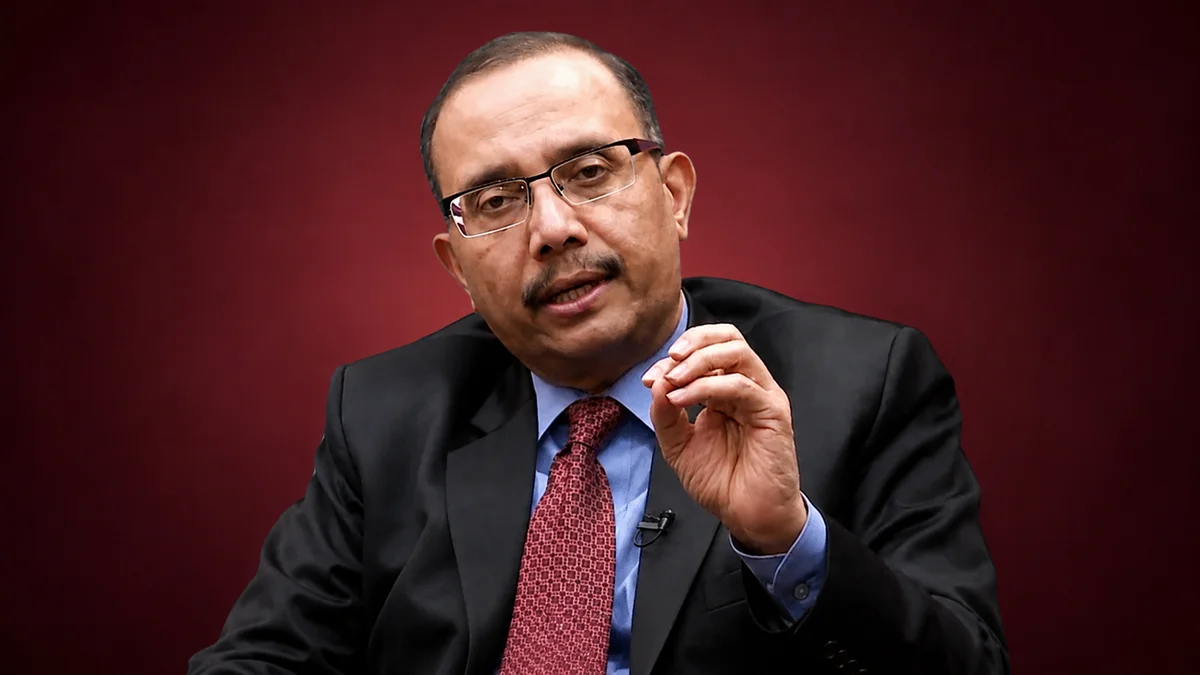
Data from the global RE-LY trial published in the Journal of the American Heart Association identified rheumatic heart disease in 31.5% of Indian atrial fibrillation patients. In profound contrast, the same valvular etiology accounted for a mere 2.2% of cases documented across North America. Dr. M. S. Rao of the Indian Heart Rhythm Society network emphasized that this etiological divergence radically alters guideline-recommended anticoagulation strategies.
"The widely used direct oral anticoagulants are clinically inferior to old-fashioned warfarin in patients with rheumatic atrial fibrillation, which means millions of young South Asians remain dependent on rigorous medication regimens," explained Dr. M. S. Rao of the Indian Heart Rhythm Society network.
This clinical reality was definitively confirmed by the landmark INVICTUS clinical trial published in the New England Journal of Medicine, which established the clinical superiority of warfarin over newer factor Xa inhibitors for this cohort. However, maintaining stable warfarin therapy requires frequent International Normalized Ratio blood monitoring, which remains logistically impossible for rural populations lacking local laboratory access.
Developing low-cost screening workflows integrated with dedicated rheumatic care pathways represents a critical public health consideration for India. Closing the severe surveillance gap through localized research is essential to prevent a rising tide of early, catastrophic strokes among young citizens during their prime productive years.
ALSO READ | Dr Chandrashekhar: Image Fat Depot Phenotypes | WCCKMM 2026
ALSO WATCH | The Indispensable Role of SGLT2i in Heart Failure
Support TheRightDoctors
A fake news pandemic has taken the world by storm. More so for medical content.
We are witnessing a paradox of information overload and unanswered questions among both the lay public and the medical community.
TheRightDoctors brings you Insights from thought leaders across leading medical specialities. Views which help correct the information asymmetry and articulate the voice of medical science and reason.
This effort, however, needs your support.
Medical journalism is a niche which can survive only when it is adequately funded.
If you appreciate the work we do, we would like to request your support. Every contribution however big or small is valuable to us.
The options on this page enable you to choose between a one-time, monthly or annual payment. This is inclusive of GST. If you are a firm with GST, we will issue a GST invoice. Please reach out to us at support@therightdoctors.com
We thank you for your trust and your support.
SupportTags: Worldheartrhythmweek | Indiacardiology | Rheumaticheartdisease | Warfarinsuperiority | Invictustrial | Surveillancegap | Publichealthindia | Ruralhealthdisparity | Thromboembolism | Strokeprevention | Atrialfibrillationindia | Youngstroke | Valvularheartdisease | Aiecgindia | Southasianhealth | Therightdoctors |



Most Popular

Dr. Pankaj Manoria on Post-MI Antiplatelet Therapy Selection

Understanding Systemic Burnout and Policy Initiatives for Doctors

Beyond the textbook: Overhauling Medical Curricula

Eradicating Administrative Burden on National Doctors Day
More from TheRightDoctors

Cardiac MRI Scarring Above 5% Predicts Sudden Death Risk

Food Sequencing & Unpolished Grains Beat Sugar Substitution in CKM

Click here to Register for ECMO course
Trending

Umbilical Cord LDL of 25 mg/dL is the True Standard: Dr Rajeev Agarwal

Carb Quality and Portion Control Outweigh Elimination: Dr. Niti Desai
UACR Above 10 mg/g Signals Vascular Damage: Dr. Anil Pareek

Sweeteners Disrupt Insulin Secretion, Warns Dr Shaifali Bansal
Powered by:
.png)
Awards & Recognitions:


