
Jul 18, 2026
Umbilical Cord LDL of 25 mg/dL is the True Standard: Dr Rajeev Agarwal
Umbilical Cord LDL of 25 mg/dL is the True Standard: Dr Rajeev Agarwal
UPDATED: Jun 27, 2026, 3:15:47 PM

Highlights
Umbilical Cord LDL of 25 mg/dL is the True Standard: Dr. Rajeev Agarwal
The clinical management of dyslipidemia is moving past a focus on cross-sectional numerical targets. The practice gap lies in the failure to account for the duration of cholesterol exposure, which drives the progression of atherosclerotic cardiovascular disease (ASCVD).
Addressing this burden requires an integrated approach that combines lifestyle hygiene with advanced pharmacotherapy. This strategy aims to reduce the lifelong cumulative dose of LDL on the arterial wall to prevent irreversible damage.
In an interview at TheRightDoctors studio during the 4th World Congress on Cardio-Kidney-Metabolic Medicine (WCCKMM 2026) in Mumbai, Dr. Rajeev Agarwal and Dr. P. C. Manoria addressed the evolution of aggressive lipid lowering and lipid-mediated systemic risk.
Probing the clinical gap, Dr. P. C. Manoria asked Dr. Rajeev Agarwal how clinicians should address long-term cumulative exposure to circulating apolipoprotein B-containing particles.
Responding to Dr. P. C. Manoria's line of questioning, Dr. Rajeev Agarwal stated that umbilical cord blood naturally features an LDL concentration of approximately 25 mg/dL, highlighting human baseline physiology. He noted that while therapeutic lifestyle changes remain foundational, dietary modifications typically yield only a 10% to 15% reduction in internal lipid manufacturing.
Dr. Rajeev Agarwal noted that high-risk secondary prevention mandates a structured, step-care approach combining maximally tolerated statins with ezetimibe to establish stable baseline control. For emerging pharmacology, he identified obicetrapib as a distinct cholesteryl ester transfer protein inhibitor that successfully targets both LDL and lipoprotein(a).
Dr. Rajeev Agarwal explained that while advanced CRISPR gene-editing tools demonstrate clear clinical efficacy, extreme cost barriers prevent wide community deployment. He noted that definitive placebo-controlled outcomes data are still required to fully validate targeted antisense therapeutics like pelacarsen.
If non-pharmacological interventions modulate only a fraction of endogenously produced cholesterol, how can healthcare systems assure that secondary prevention cohorts achieve early, intensive target attainment? Dr. P. C. Manoria and Dr. Rajeev Agarwal identified this as a critical, unresolved query.
TheRightDoctors | Official Digital Knowledge Partner | WCCKMM 2026
Tags: Drrajeevagarwal | Drpcmanoria | Wcckmm2026 | Therightdoctors | Lipidology | Ckm | Cardiology | Ldl | Lpa | Statin | Secondaryprevention | Obicetrapib | Medicalnews | Mumbai | Internalmedicine | Cardiokidneymetabolic |
Read More





Most Popular

Dr. Pankaj Manoria on Post-MI Antiplatelet Therapy Selection
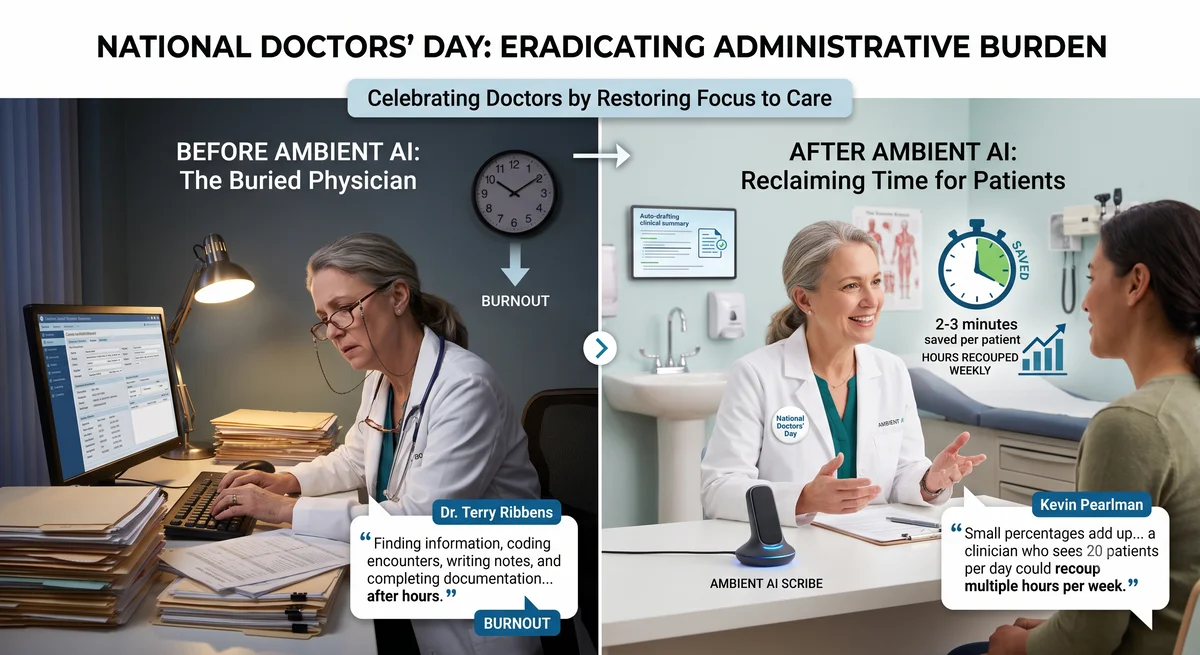
Eradicating Administrative Burden on National Doctors Day
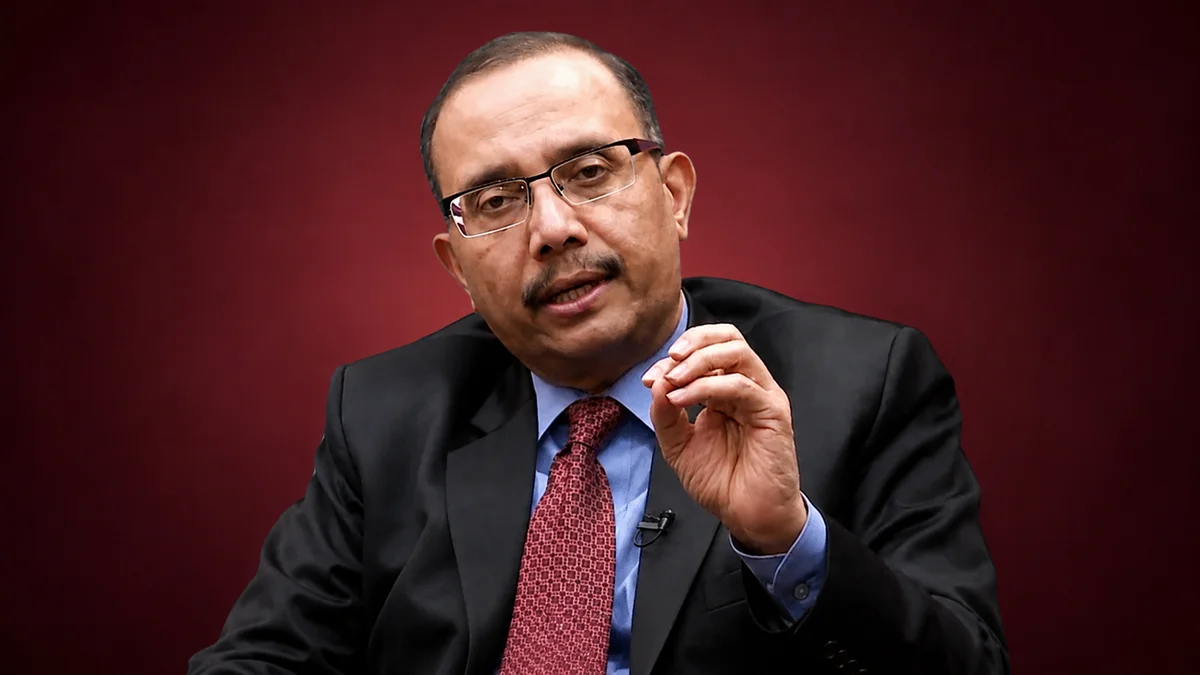
Dr Chandrashekhar: Image Fat Depot Phenotypes | WCCKMM 2026
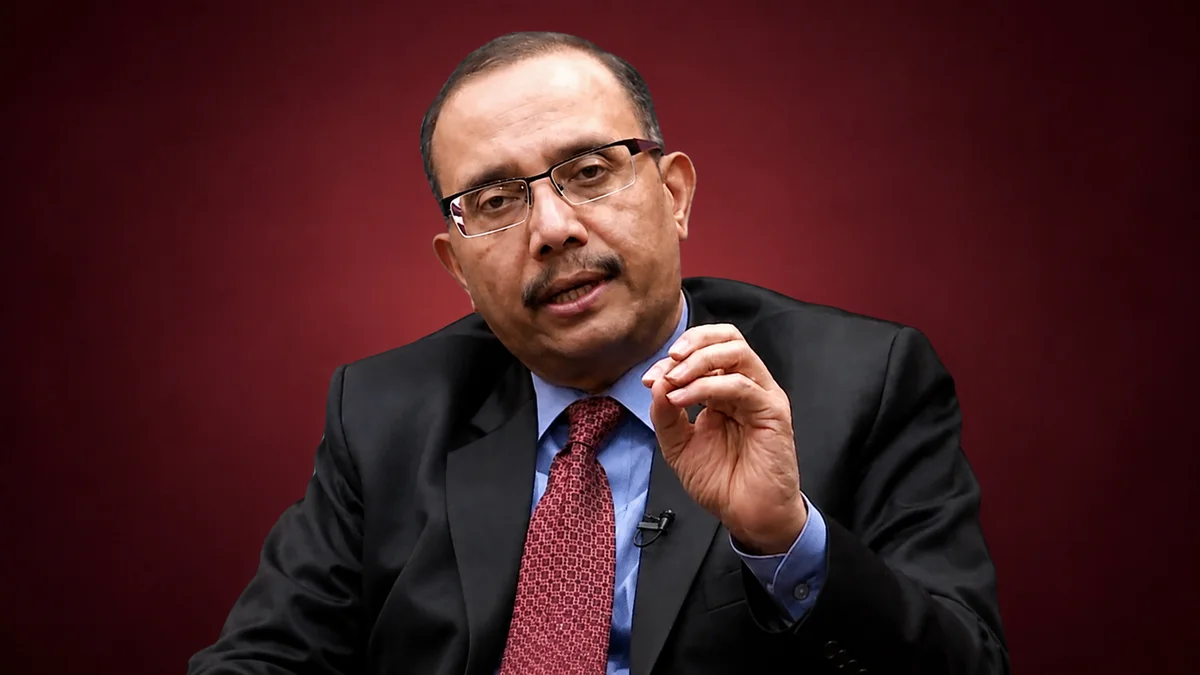
Incorporating Imaging Refines Risk in CKM Syndrome

The Indispensable Role of SGLT2i in Heart Failure

Dr. Enas A. Enas: Targeted Screening Essential to Stop Early Indian CA
Umbilical Cord LDL of 25 mg/dL is the True Standard: Dr Rajeev Agarwal

Dr. Dorairaj Prabhakaran on Harnessing AI for Cardiovascular Care
Powered by:
.png)
Awards & Recognitions:


Comments(0)