
Jul 18, 2026
Dr B M Makkar: Unsupervised Semaglutide Risks Muscle Mass Loss
Dr B M Makkar: Unsupervised Semaglutide Risks Muscle Mass Loss
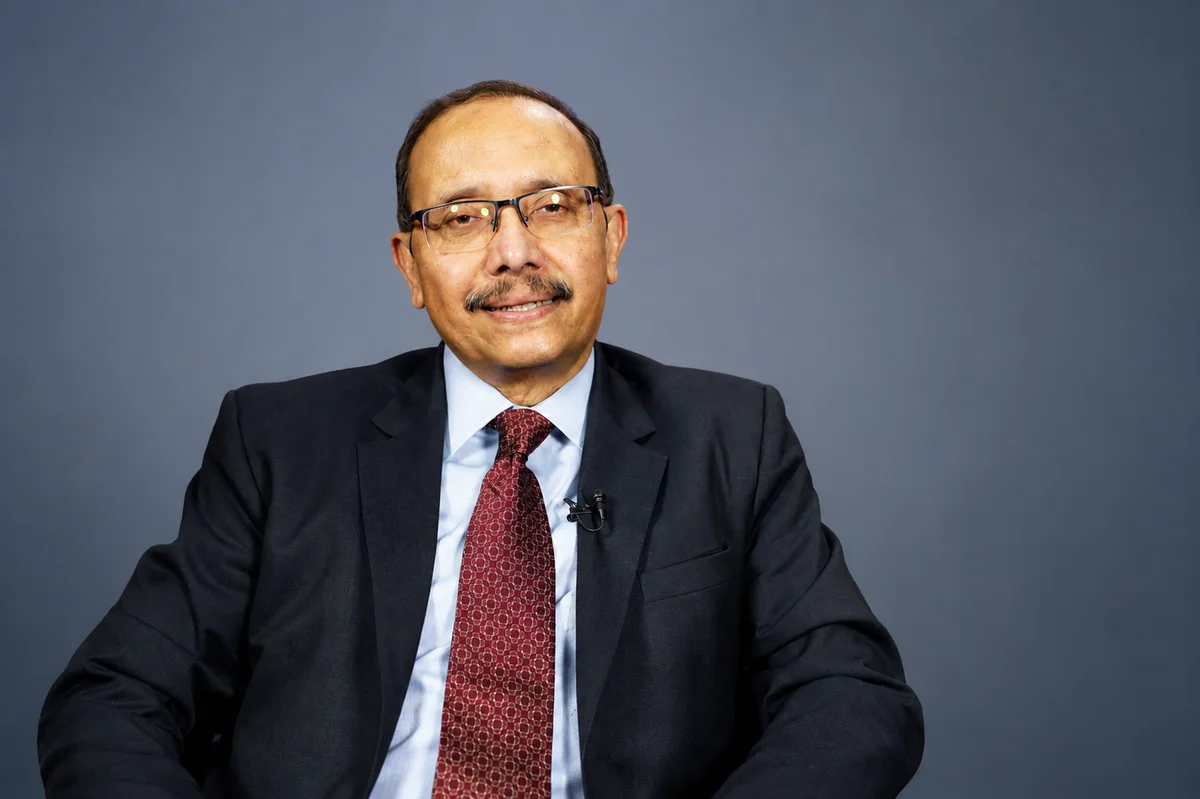
Dr. BM Makkar
Diabetes & Obesity Specialist.
New Delhi
UPDATED: Jun 19, 2026, 6:02:36 PM

Highlights
Dr B M Makkar: Unsupervised Semaglutide Risks Muscle Mass Loss
<p>Redefining obesity as a seventy percent genetically predisposed chronic disease requires lower Indian diagnostic thresholds and strict medical supervision of semaglutide therapies.</p>
The mischaracterization of obesity as a mere failure of lifestyle creates a profound practice gap in modern metabolic medicine. Failing to recognize adiposity as a complex chronic disease delays appropriate medical interventions and worsens multi-organ patient risk.
Central adiposity drives metabolic dysfunction, accelerating individual risk for type 2 diabetes, hypertension, dyslipidemia, and sleep apnea. Early identification of visceral fat deposition is clinically urgent to mitigate over 240 chronic adult comorbidities.
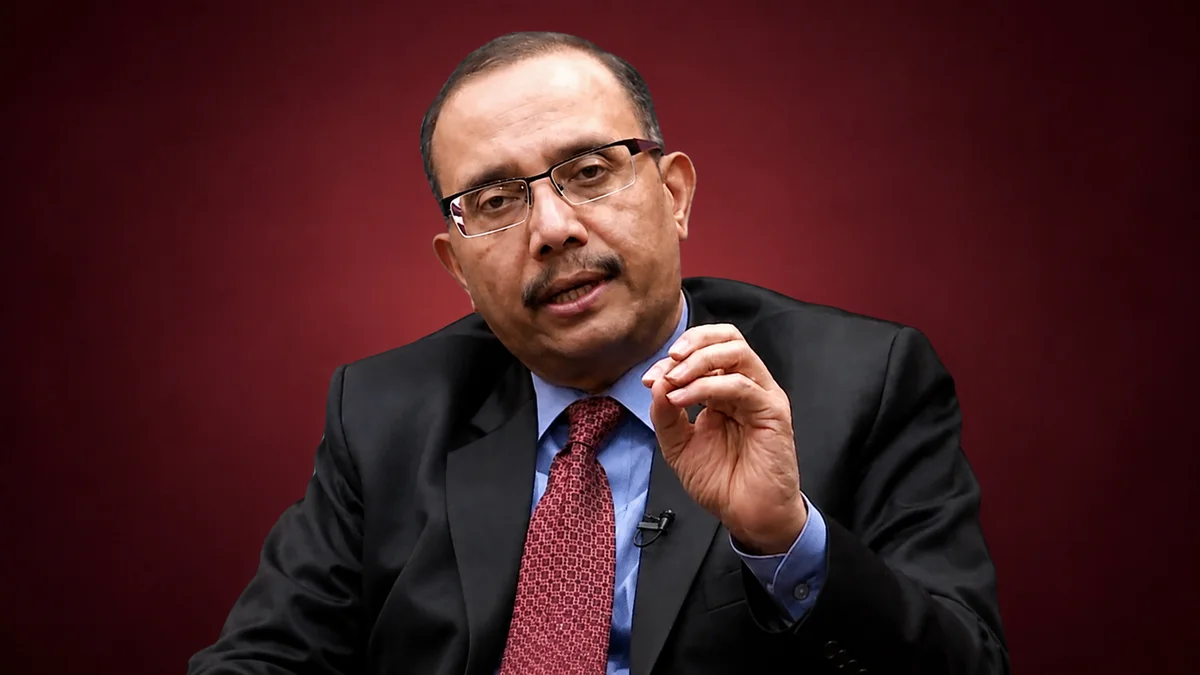
In an interview at TheRightDoctors studio at the 4th World Congress on Cardio-Kidney-Metabolic Medicine (WCCKMM 2026) at the Leela, Mumbai, Dr Pankaj Manoria, Secretary General, spoke with Dr B M Makkar, Director, Dr Makkar's Diabetes and Obesity Centre, on obesity.
In conversation with Dr Pankaj Manoria, Secretary General, Dr B M Makkar addressed the unique epidemiological shift in India. He noted that nearly 30% of adult Indians live with excess body weight, while central obesity affects almost 40% of this population.
Probing diagnostic thresholds, Dr Pankaj Manoria asked whether body mass index or waist-hip ratio provides superior utility. Dr B M Makkar clarified that standard index cut-offs must be lower for Indians, who carry 33% to 50% more fat than Western cohorts.
Responding to Dr Pankaj Manoria's inquiry, Dr B M Makkar stated that an Indian BMI of 23 is the upper limit of normal. He added that a BMI exceeding 25 indicates clinical obesity, driven by visceral fat that acts as metabolically active, harmful sick fat.
When Dr Pankaj Manoria noted that lifestyle is the first modality, Dr B M Makkar emphasized that obesity is 70% genetically predisposed. He maintained that blaming patients is clinically unacceptable, given how genes regulate complex neurobehavioral phenotypes.
Drawing out Dr B M Makkar's position, Dr Pankaj Manoria highlighted long-term medical management. Dr B M Makkar explained that because obesity is a chronic relapsing condition, pharmacotherapy must be maintained continuously to prevent a metabolic relapse.
Dr Pankaj Manoria asked when physicians should initiate specific weight management drugs. Dr B M Makkar outlined that medical pharmacotherapy is indicated for any patient presenting with a BMI over 25 with comorbidities, or a BMI over 27 without comorbidities.
Dr Pankaj Manoria then questioned the current trend of purchasing potent semaglutide therapies from gyms and online portals without supervision. Dr B M Makkar warned that unsupervised use causes an alarming depletion of skeletal muscle mass alongside adipose tissue.
Closing the session, Dr Pankaj Manoria highlighted the long-term metabolic consequences of unsupervised therapies. Dr B M Makkar left the audience with an unresolved clinical dilemma: if patients lose muscle mass during self-medication, how can they keep weight off?
<p>TheRightDoctors | Official Digital Knowledge Partner | WCCKMM 2026</p><p><br></p>
Tags: Drbmmakkar | Drpankajmanoria | Wcckmm2026 | Therightdoctors | Obesitycentre | Rssdi | Idf | Obesitymanagement | Metabolicmedicine | Visceralfat | Musclemassloss | Semaglutidetherapies | Chronicdisease | Cardiometabolicrisk | Diabetesprevention | Bariatricmedicine |



Most Popular

Restructuring Macronutrient Ratios Checks Indian Diabetes
Dr Chandrashekhar: Image Fat Depot Phenotypes | WCCKMM 2026

Dr. Dorairaj Prabhakaran on Harnessing AI for Cardiovascular Care

Eradicating Administrative Burden on National Doctors Day

Dr. Peter Schwarz Outlines IDF Strategies for Global Diabetes Crisis

Umbilical Cord LDL of 25 mg/dL is the True Standard: Dr Rajeev Agarwal

Food Sequencing & Unpolished Grains Beat Sugar Substitution in CKM

Dr. Enas A. Enas: Targeted Screening Essential to Stop Early Indian CA
Powered by:
.png)
Awards & Recognitions:


Comments(0)